Heartland malls, shophouse clusters and town-centre commercial nodes are shifting in ways not yet fully documented. This archive tracks what is changing, why it is changing, and what formats are filling the gaps.
Singapore's suburban shopping centres built during the 1980s and 1990s expansion of HDB towns are facing a quiet crisis. Changing foot traffic, online spending and updated community expectations are pressing operators to think differently about what a mall is supposed to do.
Read analysis →
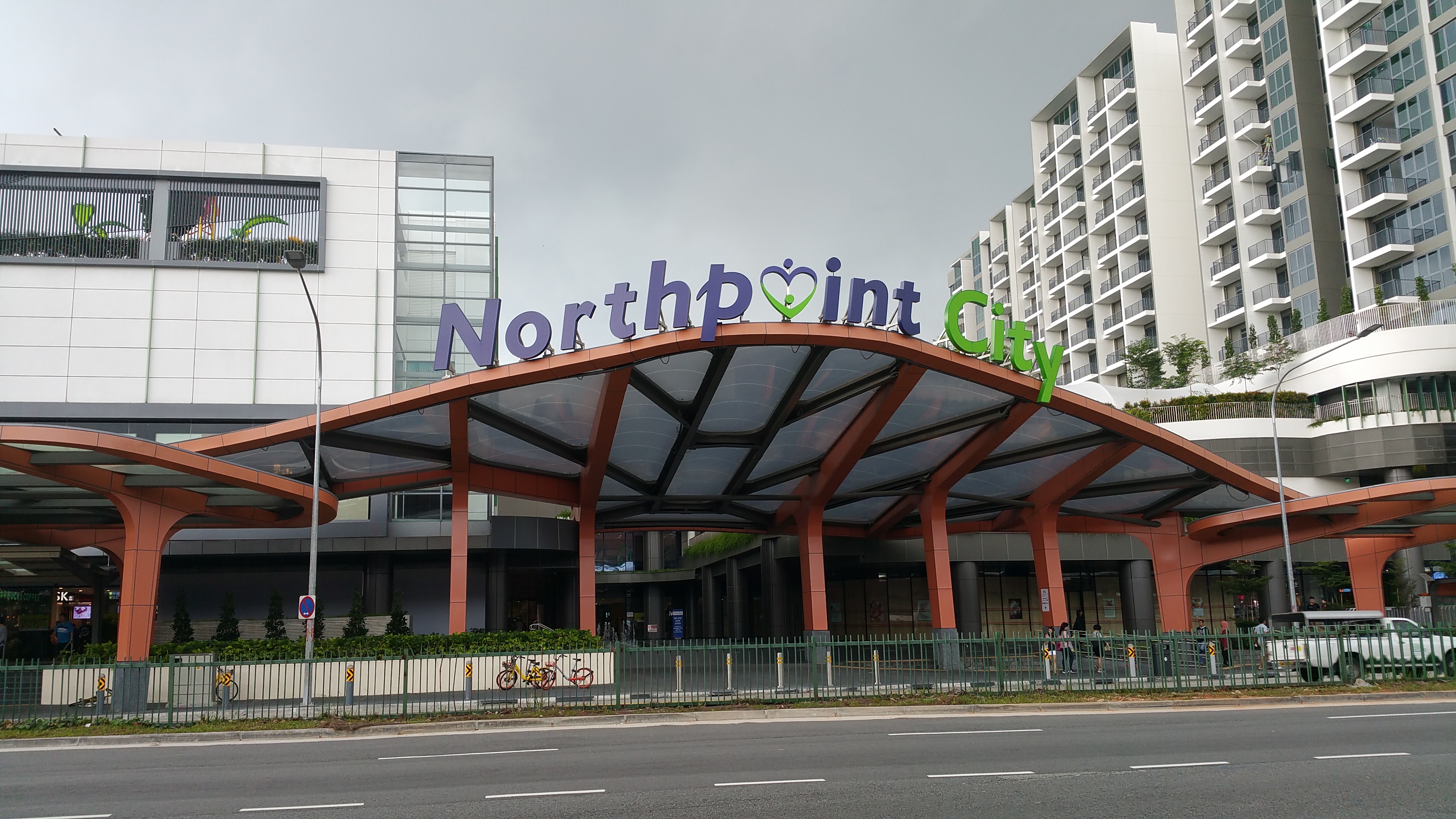
From experience-led F&B clusters to multi-use shophouse conversions, the commercial format map in heartland areas is being redrawn. Several estates now show distinct patterns in how new tenants position themselves.
The smaller commercial nodes embedded directly within HDB precincts — precinct pavilions, neighbourhood centres, covered wet markets — are holding up differently than large malls. Their scale may be an advantage.
This is a reference resource focused on the commercial layer of Singapore's heartland towns — the malls, wet markets, shophouse rows and neighbourhood centres that shape daily life for most Singaporeans who live outside the central region.
Heartland malls are mid-scale suburban shopping centres anchored within or adjacent to HDB new towns, distinct from orchard-tier or regional malls. Properties like Northpoint City, Causeway Point and Bukit Panjang Plaza fall into this category. Most were developed between 1985 and 2005 and remain the primary retail anchor for their respective towns.
Below the mall tier sits a dense network of smaller commercial nodes: neighbourhood centres with provision shops, mini-marts and service businesses; wet markets managed by NEA or NTUC FairPrice; and HDB commercial units at void deck level. These function differently from malls — their tenancy mix, lease structures and visitor profiles are shaped by pedestrian catchment rather than destination traffic.
Four factors are measurably reshaping heartland retail: the accelerated uptake of grocery delivery and e-commerce among HDB households; demographic ageing in older estates reducing daytime footfall; the reconfiguration of F&B as a primary anchor category; and upgraded public transport access creating cross-town competition among malls that previously had captive neighbourhood catchments.
This archive accepts corrections, local knowledge contributions and factual updates from residents, estate managers and researchers familiar with specific heartland commercial areas. All submissions are reviewed before publication.
The content published on this site reflects publicly available data and analysis of commercial property and retail trends in Singapore. It does not constitute financial, legal or investment advice. Data points referenced are sourced from publicly accessible reports by URA, HDB, Enterprise Singapore and third-party research. Ulverston Corner Media Pte. Ltd. is not affiliated with any mall operator, retail chain or government body.