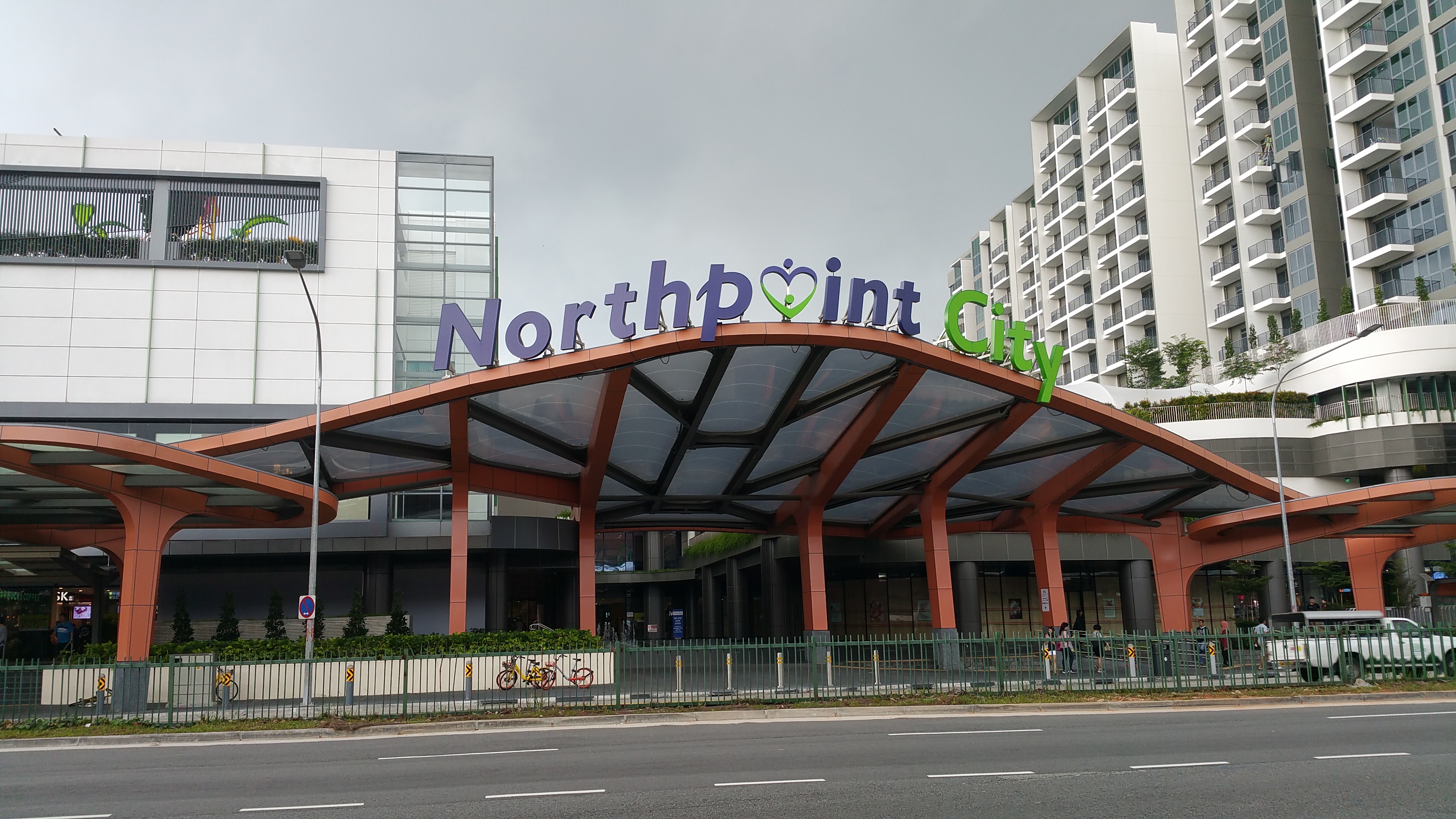
The retail format that a particular area supports is determined by its catchment's spending behaviour, its physical infrastructure and the economics that operators can sustain within those constraints. In Singapore's HDB heartland estates, the format mix that prevailed for the first three decades of large-scale public housing — provision shops, wet markets, a medium-sized supermarket, fashion and consumer electronics in the nearest mall — has been under visible revision since around 2016, with the pace of change accelerating after 2020.
This is not a uniform trend. Different estates show different patterns, and the format changes that are clearly established in one area are still nascent or absent in another. What follows is a descriptive account of the format types that have measurably emerged in heartland areas, with notes on where they are concentrated and what appears to sustain them.
Curated F&B Clusters in Mall Contexts
The most visible new format is the curated food and beverage cluster — a grouping of food operators, typically independent or semi-independent brands, assembled within a defined zone in an existing mall or purpose-built food hall structure. This differs from the traditional heartland food court in several important ways.
Traditional heartland food courts operate on a stall-by-stall tenancy model, with individual hawkers renting stalls from a food court operator (typically a company like Kopitiam, Food Republic or Koufu) and offering a standardised menu within a shared infrastructure. The newer F&B cluster format tends to involve smaller, branded operators with more differentiated menus, better-defined brand identities and higher average spend per patron.
These clusters have appeared in several refurbished mall zones, particularly in estates where the residential demographic skews toward dual-income households in the 30–45 age range. Yishun, Punggol and Tampines show clear examples. The format creates a different commercial dynamic: higher rent per square foot than traditional food courts, higher average spend, but also higher operator costs and shorter average tenancy terms as less-established brands cycle through.
Shophouse Clusters with Diversified Use
HDB commercial shophouses — the double-storey or triple-storey commercial units that form the ground-level retail layer in older housing estates — have been undergoing a quiet format reconfiguration in certain areas. The traditional tenancy profile of these units (provision shops, mama shops, laundries, key duplication services, traditional medical halls) remains dominant in older estates with ageing residential populations.
But in estates that have received significant new residential supply in the past decade — Punggol, Sengkang, Bukit Batok and parts of Clementi — a different profile has emerged: specialty coffee shops, independent bookshops, lifestyle product retailers, fitness studios and small group tuition operations. These tenants are not typical heartland retail. They reflect the spending patterns and lifestyle preferences of residents who moved into newer BTO developments in these areas.
The commercial units in newer HDB precincts are physically better suited to these uses than the older shophouses in estates like Toa Payoh or Queenstown — ceiling heights, frontage widths and the absence of decades of fitout layers all make conversion to new uses less capital-intensive. HDB's commercial property leasing framework allows a relatively broad range of uses within its commercial zones, which has facilitated this diversification.
Health and Wellness Retail
Health and wellness as a retail category has expanded in heartland areas at a rate that outpaces the general retail market. The category includes fitness studios (yoga, pilates, functional fitness), health screening clinics, specialist pharmacies, supplement retailers and traditional Chinese medicine practices with updated retail formats.
Several factors explain the heartland concentration. HDB estate demographics in Singapore skew older in established towns, creating demand for health-related services. The rapid expansion of national health programmes — Healthier SG, the polyclinic network expansion, MediShield Life — has increased awareness of and engagement with health spending among the residential population. And fitness as a category has demonstrated resilience to online substitution in a way that fashion and consumer electronics retail has not.
Fitness studios in particular have moved into heartland mall upper floors as traditional retail tenants have contracted. A floor that previously housed a departmental store or a furniture retailer might now contain three to five fitness studio operators, a specialist pharmacy and a health screening clinic. This combination generates consistent weekday footfall from residents rather than the weekend-skewed patterns of traditional retail.
Integrated Community-Commercial Formats
The most ambitious format shift is the integrated community-commercial node, of which Our Tampines Hub is the clearest completed example. This format combines what would previously have been separated into a mall, a community centre, a sports complex and a library into a single integrated facility with a shared retail component.
The commercial component of these integrated facilities operates under different conditions from pure-retail malls: anchored community uses generate consistent footfall regardless of retail performance, subsidised community space reduces the cost base, and government involvement in facility management provides a different financial structure from purely private mall operations.
The format is not easily replicated — it requires large land parcels, significant capital from public or quasi-public sources and the operational capacity of agencies like the People's Association and Sport Singapore. But the Tampines example has been referenced in URA and HDB planning documents as a model for future town centre development, suggesting that similar configurations may appear in new towns being planned in Tengah and Yishun North.
Pop-Up and Rotational Retail
A smaller-scale but observable format is rotational or pop-up retail — temporary commercial activations in mall common areas, void deck spaces and market-format outdoor zones. This is not a new concept in Singapore, but its presence in heartland areas has become more structured. Several malls have designated recurring market zones — weekend artisan markets, weekend F&B pop-ups — that are managed through short-cycle tenancy arrangements and often feature social media-oriented brands testing heartland demographics before committing to permanent tenancy.
The commercial logic is risk management: heartland estates have resident populations with spending capacity that some operators have underestimated based on historical assumptions about suburban spending patterns. The pop-up format allows format testing without the capital commitment of a permanent fitout.
What Drives Format Differentiation
The variance in format uptake across estates is explained by demographic composition more than geography. Estates with large proportions of younger households — concentrated in new BTO completions in Punggol, Sengkang, Sembawang and parts of the north-west — show more rapid uptake of newer retail formats. Estates with older demographic profiles and lower rates of residential replacement tend to maintain more traditional format compositions.
This demographic driver creates a temporal pattern: as older estates receive new public housing supply through redevelopment of aged blocks, and as their original resident populations move or age out, the commercial format mix may shift toward the newer formats seen in younger estates. But that transition takes decades, not years, and the commercial infrastructure of older estates — older shophouse stock, smaller mall floor plates, lower ceiling heights — may constrain what formats are physically possible regardless of demographic change.
Sources: URA Media Releases; Enterprise Singapore Retail Sector Overview; HDB Commercial Property Data.